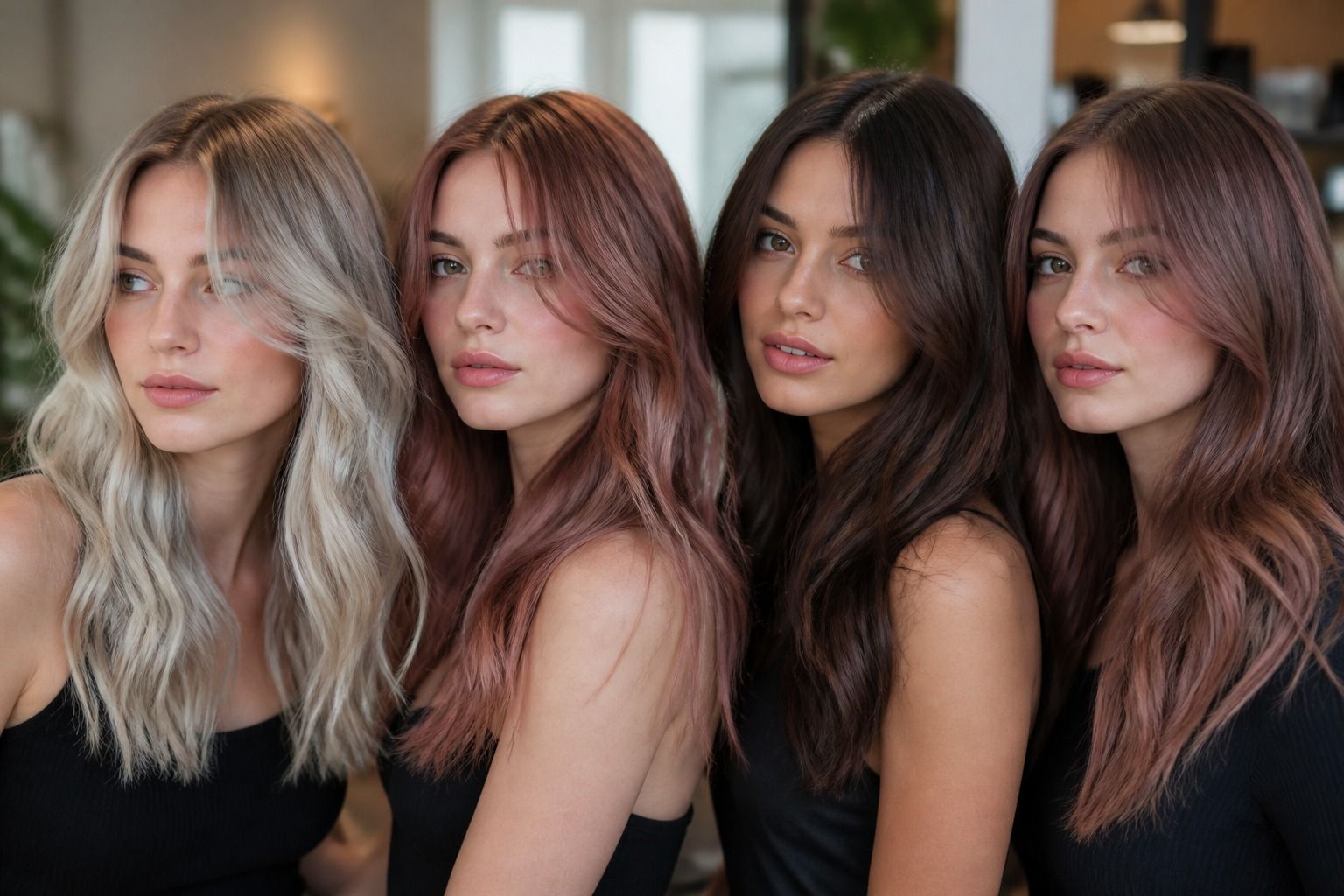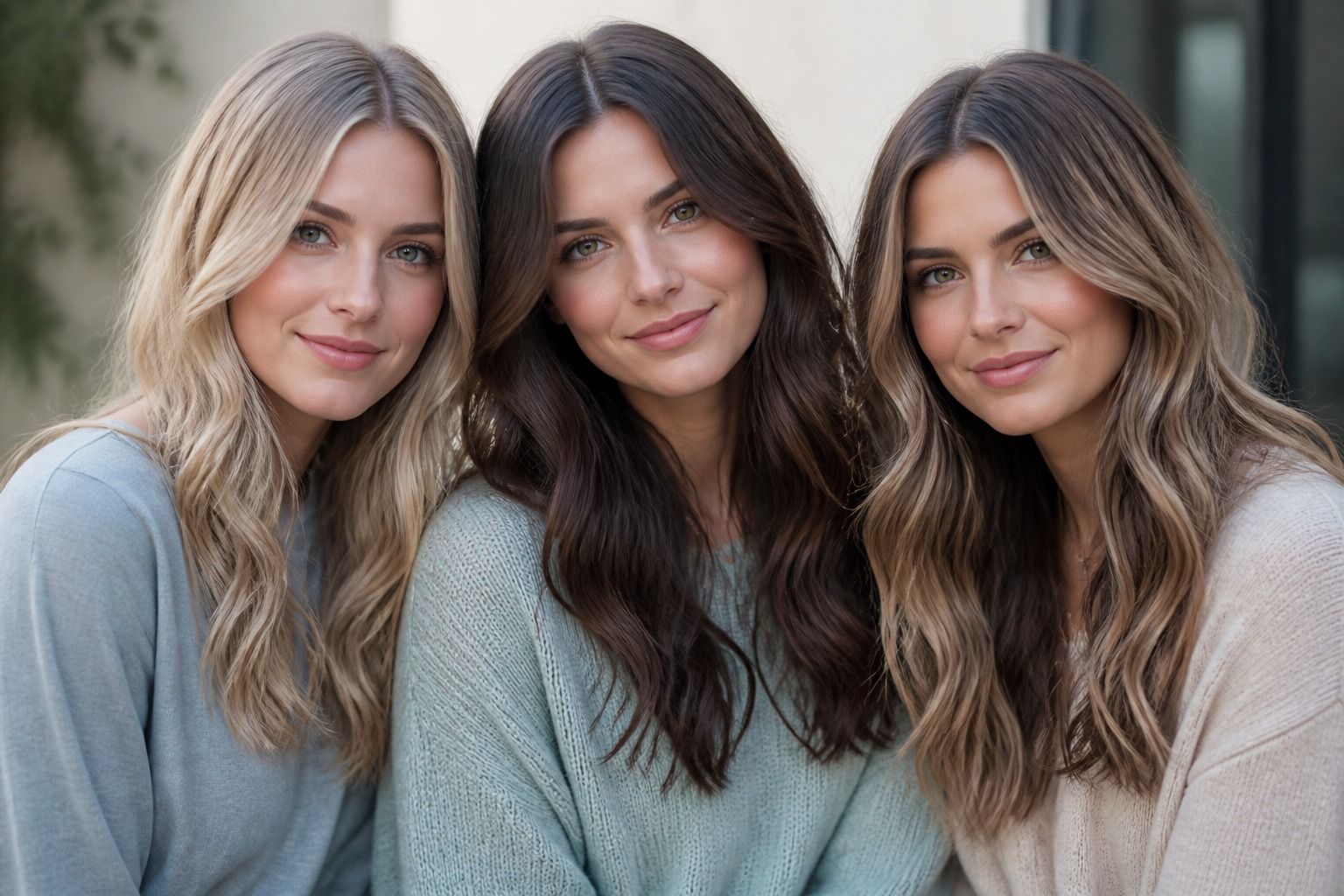
Soft Summer hair color is usually less about chasing the palest ash blonde or the darkest brunette and more about keeping the whole picture quiet: softened contrast, cool or neutral undertones, and enough depth that your face does not disappear. If you have ever loved a hair color in salon lighting and then felt it looked brassy, flat, or oddly heavy in daylight, the issue may have been the level of contrast rather than the shade name on the chart.
Start with the amount of contrast you want
A Soft Summer palette sits in that slightly muted space where harsh lines tend to show up fast. Very dark espresso beside fair skin can look severe. Bright golden blonde can make redness and sallowness more obvious. The safer starting point is to ask how much separation you want between your natural base, your brows, your skin, and the lightest pieces around your face.
Soft Summer blonde directions
The Soft Summer version of blonde usually looks more expensive when it is restrained. Think taupe blonde, cool beige, pearl beige, or a soft ash dark blonde rather than icy platinum. Icy blonde can work on some people, but it often needs a very clear, high-contrast face to avoid looking separate from the person wearing it. On a muted complexion, it can turn the hair into the loudest thing in the room.
Taupe blonde is a good first idea if your natural color is dark blonde or light brown. It has enough gray-brown softness to avoid yellow, but it does not have to read as smoky or dull. Ask for a neutral-cool gloss, not a heavy blue-violet toner that makes the ends look dusty. The best version still reflects light; it just does not throw gold.
Cool beige blonde is friendlier if you want something brighter around the face. The caveat is the word beige. In salon language, beige can lean warm, neutral, or cool depending on the color line and the colorist. Bring a photo where the blonde looks muted and creamy, not buttery. If the reference shade reminds you of champagne, it may be too warm. If it reminds you of oat milk, pale stone, or soft linen, it is probably closer.
If your hair lifts orange or yellow quickly, ask about a shadow root or root melt before committing to all-over blonde. A slightly deeper root keeps the color grounded and makes the blonde pieces look intentional rather than over-processed. It also gives you a softer grow-out line, which is one of the quiet luxuries of a good Soft Summer blonde.
Brunette and bronde options
Soft Summer brunette should not be confused with flat ash brown. Flat color can make the hair look dense, especially in indoor light. The better route is a muted brunette with small tonal shifts: mushroom brown, cool mocha, smoky brown, or a brown base softened with lowlights and barely-there highlights. The movement should show when the hair bends, not from across the street.
Mushroom brunette is useful when your natural base already has a cool cast. It can soften old warmth from previous color and bring the hair back toward taupe, gray-brown, and muted cocoa. The risk is over-toning. Too much ash on porous ends can turn a pretty brunette muddy, especially after a few washes. A good colorist will often leave tiny neutral pieces in the formula so the result still looks like hair, not a filter.
Bronde is often the easiest Soft Summer compromise because it lets you keep depth while adding softness. Smoky bronde works well on medium blonde to light brown bases: the base stays muted, then fine ribbons of beige, mushroom, or ash blonde break up the surface. It is a good choice if you want people to notice that your hair looks lighter and fresher without asking whether you changed your entire color.
If your brows are naturally cool brown, avoid pushing the hair too caramel. Caramel can look lovely in a color chart and wrong against a Soft Summer face, especially near the temples. A cooler bronde with low-contrast highlights usually sits better. If you still want warmth, keep it beige rather than golden and place it away from the strongest face-framing pieces.
Where highlights help and where they become too sharp
Highlights are helpful for Soft Summer hair when they add haze and movement. They become a problem when they create hard stripes. Wide, bright ribbons near the face can fight the softness of the coloring, even if the tone itself is technically cool. Fine babylights, painted pieces, and soft balayage usually make more sense than chunky contrast.
Face-framing pieces need the most restraint. A bright money piece can look fashionable in a photo, but on Soft Summer coloring it often reads as a separate accessory. If you want brightness around the face, ask for a diffused face frame that blends back into the rest of the color within a few inches. The front can be lighter, but the edge should not look drawn on.
Lowlights can be just as useful as highlights. If blonde has become too pale or bronde has lost depth, soft lowlights in cool beige brown or mushroom brown can restore the muted quality. This is especially helpful after summer sun, swimming, or repeated glosses that have made the ends look hollow. Hair with no depth can look dry even when it is healthy.
Balayage works best when the lift is moderate. A Soft Summer balayage that moves from light brown to taupe blonde can look gentle and natural. A balayage that jumps from brunette roots to pale silver ends can look dramatic, but it may need styling every day to feel deliberate. If your usual routine is air-dried hair and a quick clip, choose the softer version.
A practical shade comparison to bring to the salon
Shade names vary by brand, so treat them as directions rather than exact formulas. A useful consultation is not "make me Soft Summer." It is more like: my hair pulls warm, my skin looks better with muted cool colors, I want lower contrast, and I need the grow-out to stay soft. That gives the colorist something concrete to work with.
| Idea | Best starting base | What to ask for | Main caveat |
|---|---|---|---|
| Taupe blonde | Dark blonde or light brown | Neutral-cool dark blonde with a soft root | Too much ash can look dusty on dry ends |
| Cool beige blonde | Light blonde to dark blonde | Muted beige brightness, not buttery gold | Needs toning if your hair lifts yellow |
| Mushroom brunette | Light to medium brown | Gray-brown brunette with subtle dimension | Can turn muddy if the toner is too strong |
| Smoky bronde | Dark blonde to medium brown | Fine beige and ash ribbons over a soft base | Chunky highlights will look too sharp |
| Low-contrast face frame | Almost any muted base | Front pieces one or two levels lighter | A pale money piece may overpower the face |
If you bring reference photos, choose images taken in natural light and ignore anything that looks heavily filtered. Salon ring lights can make cool color look cleaner than it will look on a cloudy Tuesday morning. Ask your colorist what the shade will look like after four washes, not only on the day of the appointment.
How to choose an idea you can maintain
The prettiest soft summer hair colors are usually the ones you can keep looking intentional between appointments. If you already know you will not come back every six weeks, avoid a high-lift blonde with a crisp root line. Choose a shadow root, soft balayage, or bronde placement that lets your natural base participate in the color instead of fighting it.
Toning appointments matter, but they should not become a rescue mission every month. Cool blondes and beige blondes often need glossing because minerals, heat styling, sun, and old color can push them yellow. Brunettes and brondes need a different kind of upkeep: preventing the color from going orange, flat, or too opaque. Purple shampoo is not a universal fix. On beige blonde it can help. On mushroom brunette it can make the ends look dull if used too often.
Hair condition should make the final decision, especially if you are moving from dyed brunette to blonde. Soft Summer color depends on subtlety, and subtle color looks worse on frayed ends. If your hair is porous, a muted brunette, smoky bronde, or partial highlight plan may be better than forcing a pale blonde in one sitting. A slower change often looks more polished because the tone has enough shine to read as soft rather than tired.
The safest choice is the one that keeps your natural coloring in the conversation. Blonde can work if it is cool beige or taupe and anchored with depth. Brunette can work if it has movement and avoids red-brown heaviness. Bronde can work beautifully if the highlights are fine, muted, and close enough to the base. When in doubt, lower the contrast first, then adjust the tone. Soft Summer color is rarely about the loudest transformation; it is about the moment your hair stops competing with your face.